
QR Code Turnstile
A QR code turnstile is an intelligent pedestrian access gate integrated with a built-in QR code scanner, designed for fast, contactless identity verification and controlled entry. Instead of physical access cards, keys or manual ticket checks, users simply present a dynamic QR code on their smartphone or printed pass to the scanner. Once the system validates the credential, the turnstile unlocks automatically to allow one-way passage, while anti-tailgating sensors prevent unauthorized follow-up entry.
Today, QR code turnstiles have become one of the most popular access control solutions for offices, gyms, stadiums, exhibition centers, public transit stations and visitor management systems. Compared with traditional tripod turnstiles or swing barrier gates that only support RFID cards, QR-enabled turnstiles cut hardware and card-issuing costs, simplify temporary access, and generate real-time entry logs for administrators.
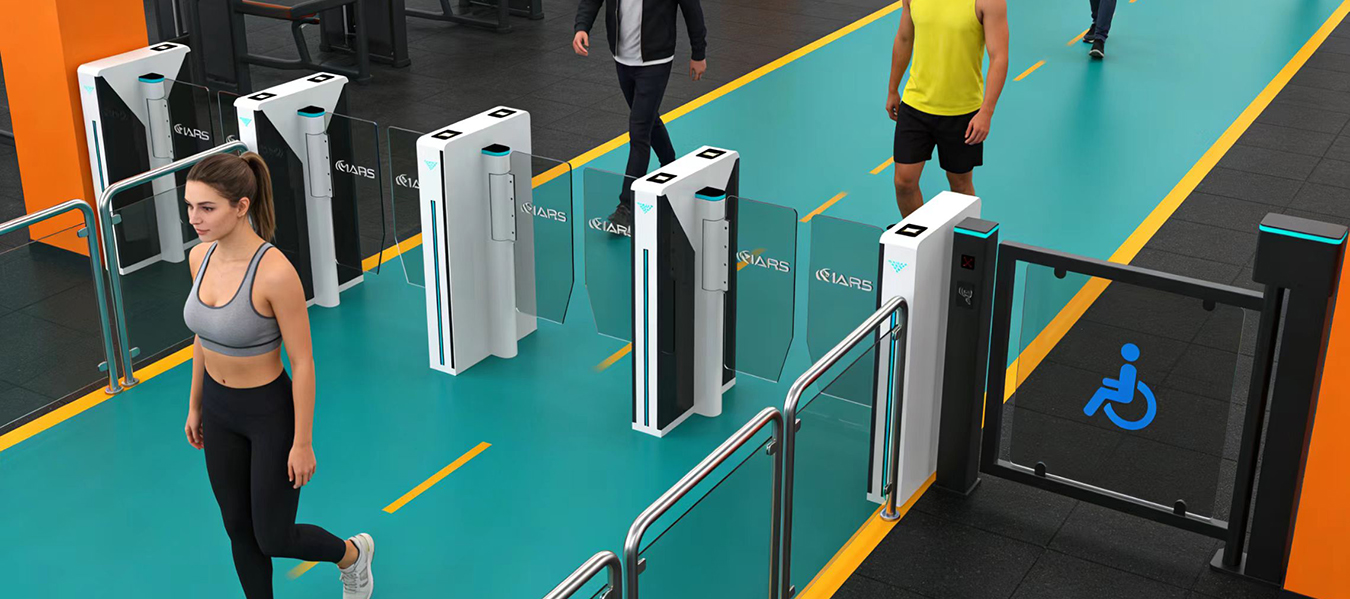
How a QR Code Turnstile Works
The whole verification process takes less than 0.5 seconds and runs in a simple workflow:
- The access control platform generates a unique QR code for employees, visitors or ticket holders. Codes can be static for long-term staff access or dynamic one-time-use codes for events and temporary visitors.
- The user displays the QR code on the mobile phone screen in front of the embedded scanner on the turnstile.
- The scanner captures the QR image and transmits data to the local controller or cloud backend.
- The system checks permission status, valid time window and usage limit. If the credential is valid, the turnstile releases the barrier and LED indicator lights turn green.
- Infrared sensors detect pedestrian passage. After the user walks through, the gate resets automatically. If the code is expired, invalid or already used, the gate stays locked and triggers an alert prompt.
Most modern QR code turnstiles support multi-mode authentication. You can combine QR scanning with RFID, fingerprint or face recognition on the same gate, making it flexible for mixed user groups.
Key Benefits of QR Code Turnstiles
1. Contactless & Convenient Access
Users do not need to carry physical cards or badges. Employees, guests and event attendees only need their mobile phones to get access. This reduces lost card replacement work and improves hygiene, which is ideal for high-foot-traffic public areas.
2. Lower Operational Cost
No mass production, distribution, recovery or deactivation of plastic access cards. For event venues and temporary visitor scenarios, administrators send QR codes by email or SMS directly. This saves material and labor costs for manual check-in.
3. Strong Security & Anti-Tailgating
Dynamic QR codes can be set as single-use or time-limited, effectively preventing screenshot copying and ticket fraud. Paired with infrared anti-tailgating detection, the turnstile ensures only one person passes per valid scan, avoiding piggybacking. All entry records are saved in the system for audit and traceability.
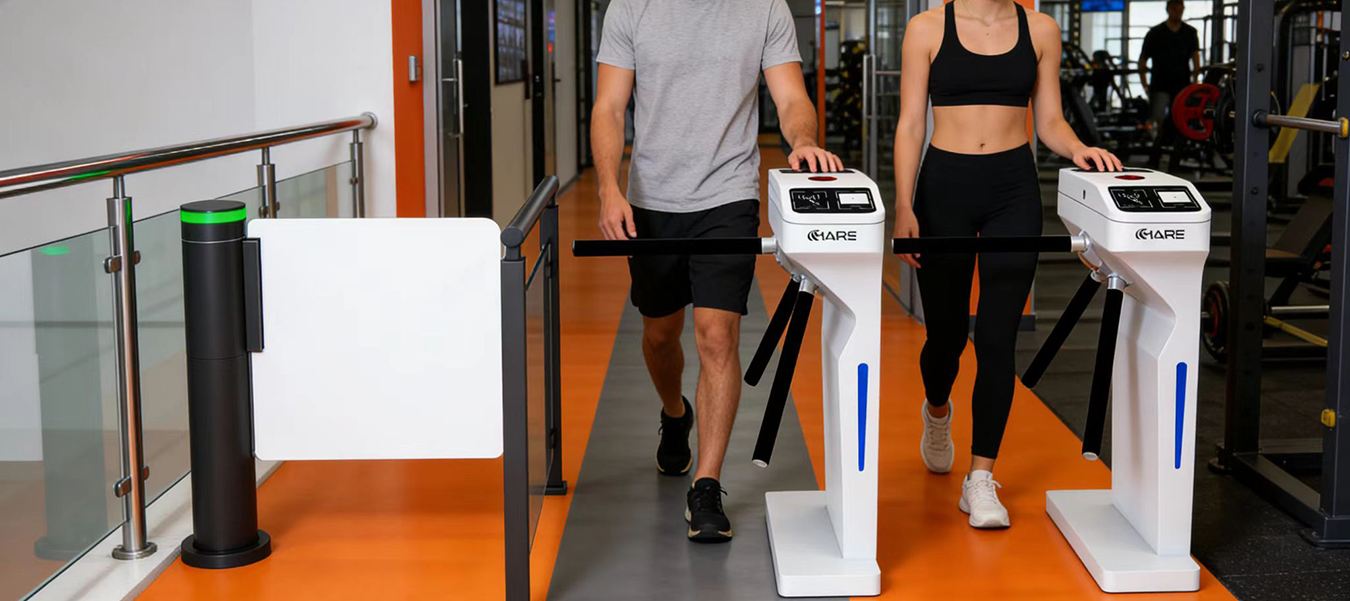
4. Fast Throughput for Crowded Locations
High-speed QR decoding supports continuous people flow during peak hours. Stadiums, exhibitions and subway stations can deploy multiple QR code turnstile lanes to reduce long queues and entry bottlenecks.
5. Easy System Integration
Standard TCP/IP, RS485 and dry contact interfaces allow the QR code turnstile to connect smoothly with visitor management software, membership systems, ticketing platforms and building management systems. Data sync makes attendance tracking, visitor reports and access permission management much easier.
Common Use Cases for QR Code Turnstiles
- Corporate office buildings: Staff daily access and temporary visitor QR pass check-in, linked to attendance records.
- Gyms and fitness centers: Members scan mobile QR membership codes for self-service entry without reception help.
- Event venues, stadiums and exhibitions: Digital ticket QR verification to handle large crowds and stop duplicate entry.
- Educational campuses: Student access control and visitor management for school gates.
- Public transit and metro stations: Quick QR ticket scanning for commuters.
- Industrial factories and construction sites: Time-limited QR codes for contractors and external personnel.
What to Consider When Buying a QR Code Turnstile
- Scanner quality: Choose an industrial QR reader that works reliably under strong sunlight, dim indoor lighting and curved phone screens.
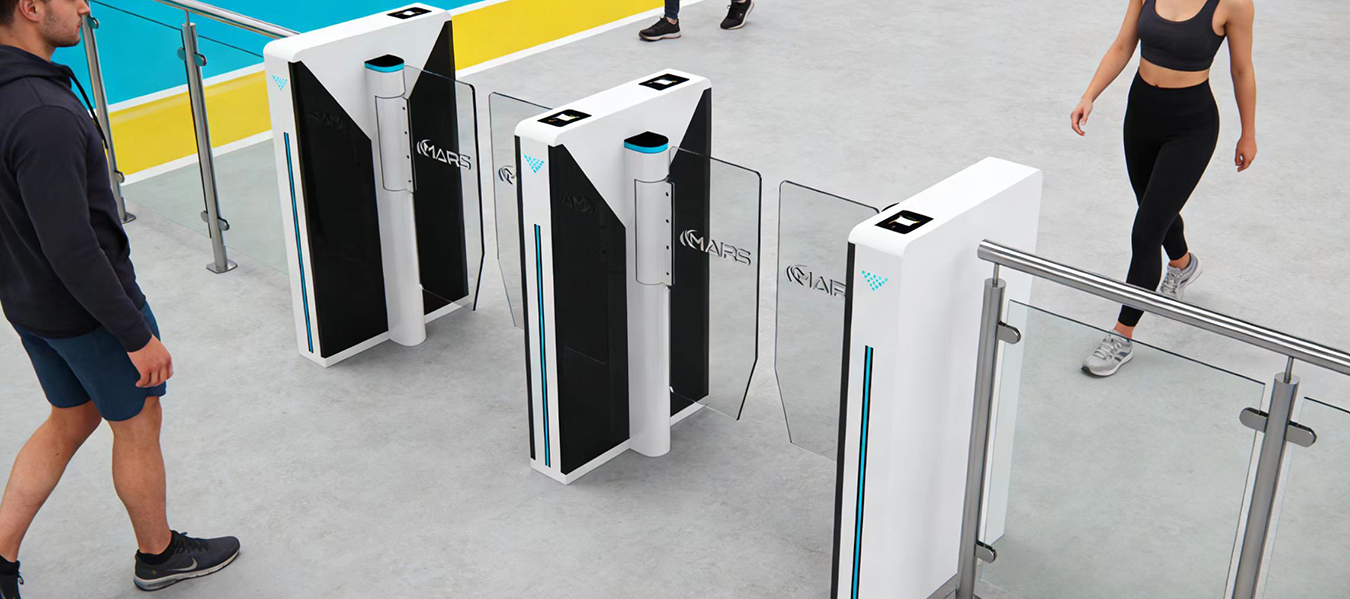
- Turnstile type: Tripod turnstile, flap barrier, swing gate or full-height turnstile, based on security level and space. Full-height models offer maximum anti-climb security for high-risk sites.
- Tailgating detection: Confirm infrared sensor or optical detection to block tailgating.
- Environment rating: For outdoor or semi-outdoor installation, select waterproof and dustproof models with wide temperature tolerance.
- Software compatibility: Verify that the turnstile controller can connect with your existing access control or ticketing system.
- Customization: Many manufacturers support custom housing, LED indicators and multi-credential modules.
FAQ about QR code turnstile
Can QR code turnstiles work offline?
Yes. Some controllers support local offline verification. Dynamic codes can still be validated without constant cloud connection, and logs will sync once the network recovers.
Can screenshots of QR codes open the turnstile?
It depends on code settings. Static QR codes can be copied by screenshot. Dynamic one-time or time-encrypted QR codes prevent screenshot abuse, which is recommended for events and high-security sites.
Is maintenance complicated for QR code turnstiles?
Routine maintenance is simple. Regularly clean the scanner lens and check sensor status. Stainless steel housing resists scratches and corrosion for long service life.
Conclusion
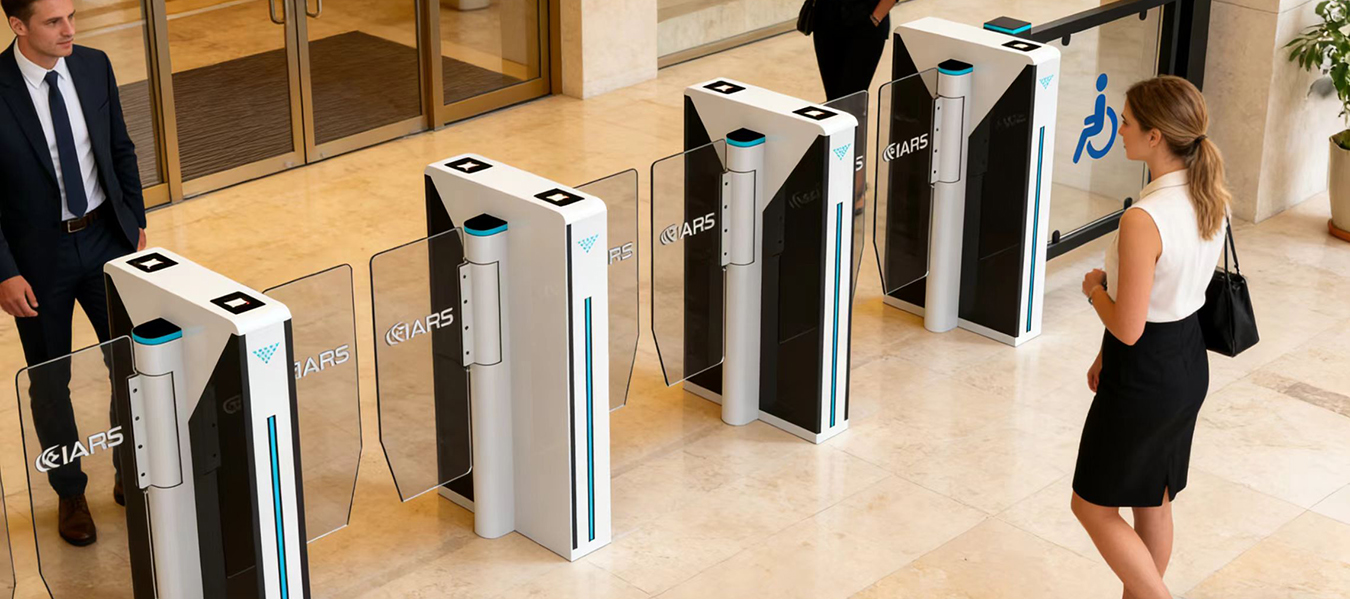
QR code turnstiles balance speed, security and cost efficiency, making them a top upgrade choice replacing traditional card-based turnstiles. Whether for permanent staff access or temporary event ticketing, this smart gate reduces manual work, improves visitor experience and keeps full access audit trails. If you are looking for flexible, scalable pedestrian access control, a QR code turnstile solution is worth evaluating.